Guide
OTT means video delivered over the internet instead of cable or satellite. What the term covers, how SVOD, AVOD and live OTT differ, what you need to watch, and the Bangla terms you will hear.

This article is currently available in Bangla only.
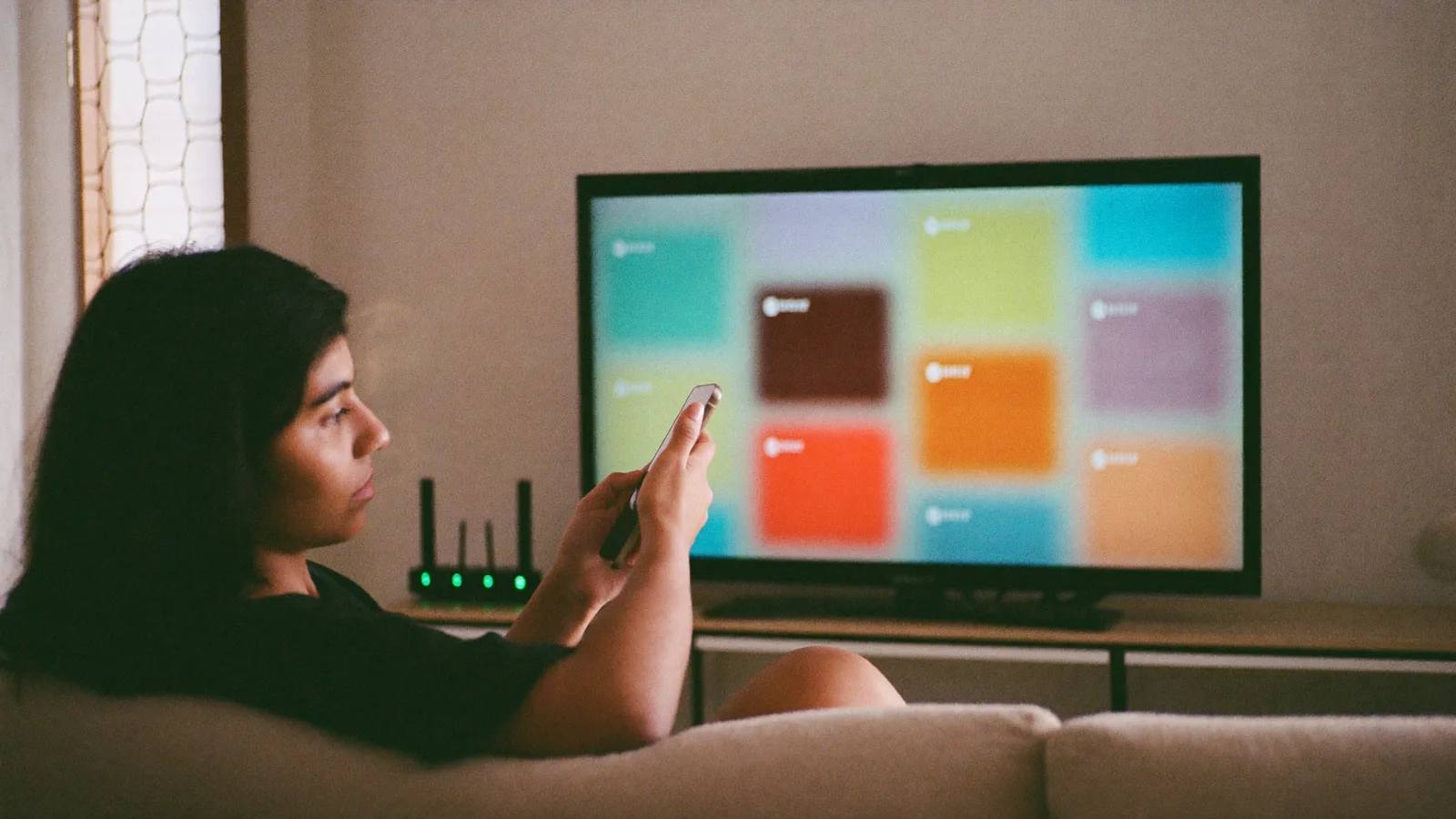
You hear the word everywhere: a new film is "releasing on OTT", a channel has "launched its OTT app", the government is drafting "OTT regulations". Yet many people are not sure what it actually means. The short answer: OTT is video and audio delivered to you over the internet, instead of through a cable wire, a satellite dish or a rooftop antenna.
OTT stands for "over-the-top". The service rides "over the top" of an internet connection that someone else provides. Your ISP or mobile operator carries the data, but the company that sells you the films, series or live channels is a different one, and it reaches you without needing a cable operator or a broadcaster's transmitter.
In Bangla you will see it written simply as "ওটিটি", or described as "ইন্টারনেটভিত্তিক ভিডিও সেবা" or "অনলাইন স্ট্রিমিং প্ল্যাটফর্ম".
Messaging and calling apps such as WhatsApp or Imo are also sometimes called "OTT services" in telecom policy, because they deliver calls over the internet instead of the phone network. In everyday conversation, though, OTT usually means video.
Cable and DTH deliver a fixed set of channels through a wire or a dish. IPTV also uses internet technology, but over a provider's own managed network, usually with a set-top box. OTT works over any internet connection, on a phone, laptop, smart TV or streaming stick, and lets you pick what to watch and when. Our guide to cable, DTH, IPTV and OTT compares them side by side.
The official apps and websites of OTT companies are legal and pay the people who make the content. Apps and sites that offer every paid channel and new film for free are usually unauthorised: they put your device and data at risk and take income away from producers. If a price looks impossible, it usually is.
OTT has changed how films and dramas are made and released in Bangladesh. Web series and direct-to-OTT films now reach audiences who rarely watch scheduled television, and TV channels increasingly put their programmes online as well. Knowing what the word means makes it easier to compare services, budgets and data plans.
Editor's note: Platform names are examples only, not endorsements; prices and availability change. Written and reviewed on 15 November 2026.
Nearly every TV in the shop now carries an "HDR" sticker, and many viewers search for what it means after the TV is already home. HDR can make a real difference to the picture, but only when
5 min read
For most of Bangladesh's history, "television" meant one channel: Bangladesh Television (BTV), the state broadcaster that began in Dhaka in 1964. That changed in the late 1990s, when private
4 min read
The picture is perfect, the news ticker is moving, but the room is silent. Sudden loss of sound is one of the most common TV complaints, and it is rarely a broken speaker. In most homes the
5 min read