Guide
How cable TV, satellite DTH, IPTV and OTT apps work, what each needs, and which questions to ask before you sign up.

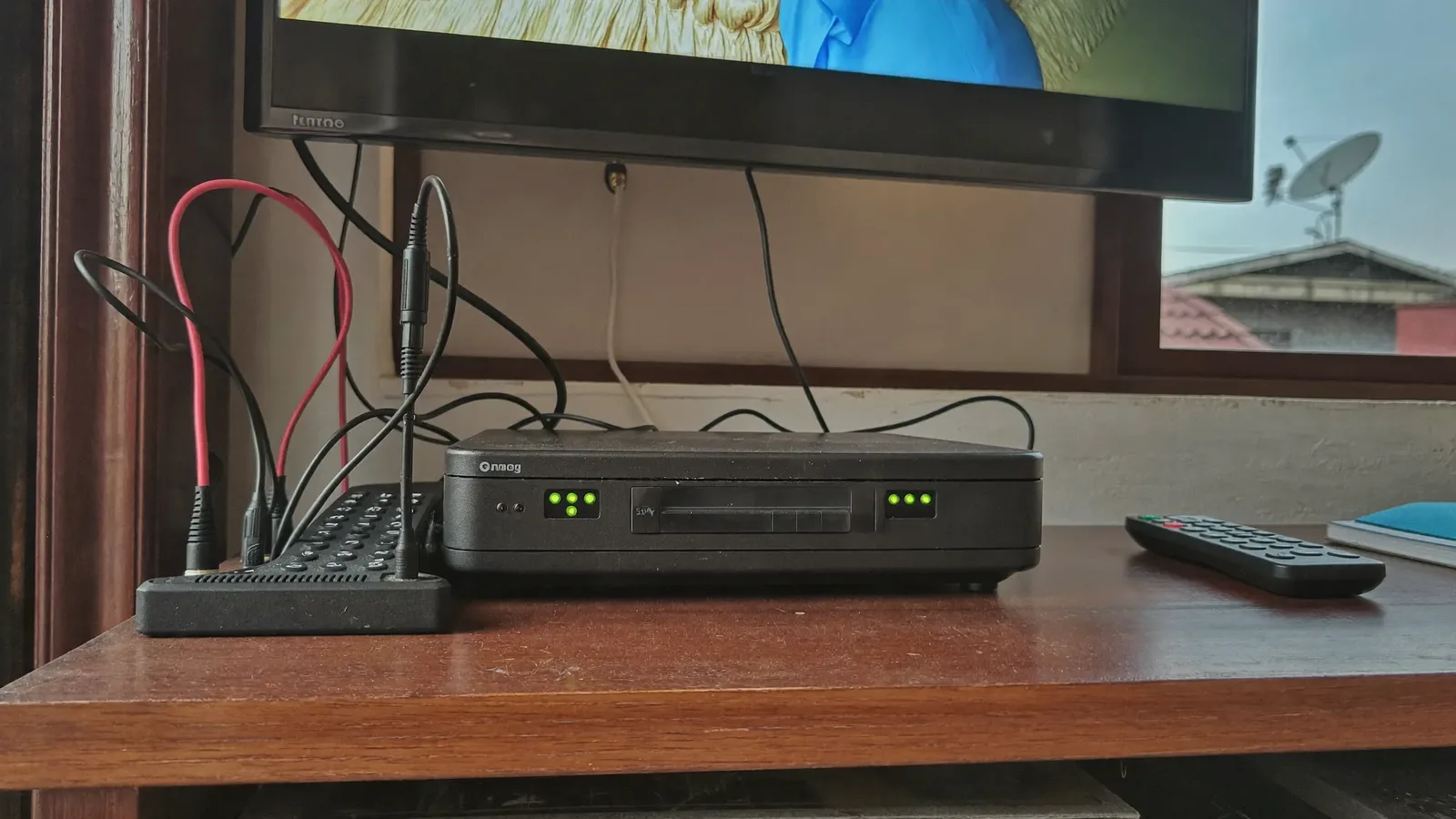
One of the first questions after moving into a new home is "who will provide the TV connection?" The local cable operator, a DTH dish on the roof, IPTV over your internet line, or just OTT apps on a smart TV? The names sound similar, but the way they work, what they cost and what they offer are quite different.
A local operator delivers channels to your home over a cable. Much of it used to be analogue; the market is moving towards digital set-top boxes with a cleaner picture and a proper channel guide. It is simple and the monthly cost is relatively low. The downside is that picture quality and the channel line-up depend heavily on the operator.
A small dish on the roof or balcony receives the signal directly from a satellite, and a set-top box shows it on the TV. It works even in remote areas, and you can choose packages. Heavy rain or storms can weaken the signal for a while, and the dish has to stay correctly aligned.
IPTV means delivering TV channels over Internet Protocol. Many internet providers offer licensed channel packages over their own networks as IPTV. The benefits include one connection for internet and TV, and sometimes recording or catch-up. Note that "IPTV" is the name of a technology; whether a particular service is legitimate depends on the provider's broadcast rights, not on the technology.
OTT (over-the-top) refers to services watched directly over the internet through an app or website — films, web series, sport or channels' own live streams. No separate TV line is needed, only a good internet connection and a smart TV or streaming device. The advantage is watching whenever you like; the cost is multiple subscriptions and data.
Editor's note: This article explains the technologies and how to choose; it does not recommend any particular provider. Last reviewed 13 November 2026.
Plenty of people start the day with headphones in, listening to their favourite FM station on the bus or in a rickshaw. Then the data pack runs out before the month does, and the question co
3 min read
There was a time when people crowded around a single radio at the village tea stall to hear the evening news. Today the same stations play through a phone app, a car dashboard or a smart spe
3 min read
After dinner the lights go off and the family settles in for a drama or a match. It is a familiar scene in many homes. But a bright screen in a dark room, sitting too close and watching for
3 min read