Guide
Data use per hour by bitrate, simple ways to save mobile data, and how to keep online radio playing on a weak network.


Plenty of people start the day with headphones in, listening to their favourite FM station on the bus or in a rickshaw. Then the data pack runs out before the month does, and the question comes up: how much data does radio actually use? The answer depends on the stream's bitrate.
An audio stream sends a fixed amount of data every second, measured in kbps (kilobits per second). The sum is simple: kbps × 3,600 seconds ÷ 8 = kilobytes per hour.
For comparison, even 480p video usually uses several hundred megabytes an hour. If you only need to listen, radio and audio are far cheaper.
A live stream keeps a few seconds of audio in reserve (the buffer). On a moving bus, as your phone switches towers or the network gets crowded, the connection dips and the buffer runs dry, so the sound stops. Lower-bitrate streams suffer less because they can keep going on a slower connection.
Many Android phones still include a built-in FM radio that uses the headphone cable as an antenna. It uses no mobile data and little battery, which makes it especially useful during disasters or network outages.
To drown out street noise, many of us turn the volume right up. Long exposure to loud sound can damage hearing. Keep your phone's headphone safety or volume limit switched on, and keep one ear free when crossing the road.
Editor's note: Data figures are estimates; actual use varies a little with the stream format and the app. Last reviewed 13 November 2026.
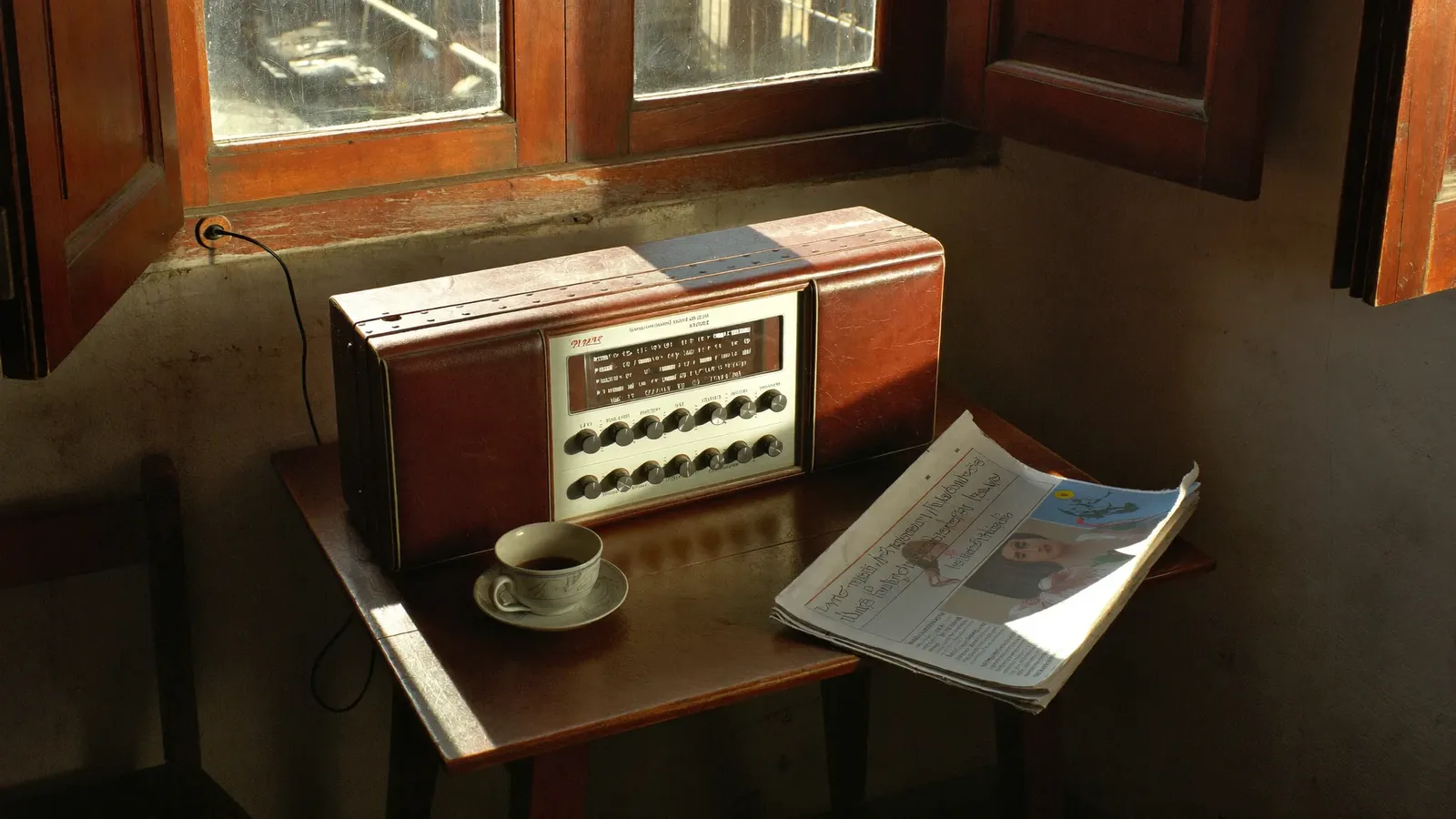
There was a time when people crowded around a single radio at the village tea stall to hear the evening news. Today the same stations play through a phone app, a car dashboard or a smart spe
3 min read
After dinner the lights go off and the family settles in for a drama or a match. It is a familiar scene in many homes. But a bright screen in a dark room, sitting too close and watching for
3 min read
Walk into any electronics shop and you are met by a wall of glowing screens, each with a sticker promising "4K", "HDR" or "AI Picture". Under showroom lights they all look wonderful. Then th
4 min read