Guide
Why long screen sessions tire your eyes, and how seating distance, room lighting and the 20-20-20 rule help the whole family watch more comfortably.

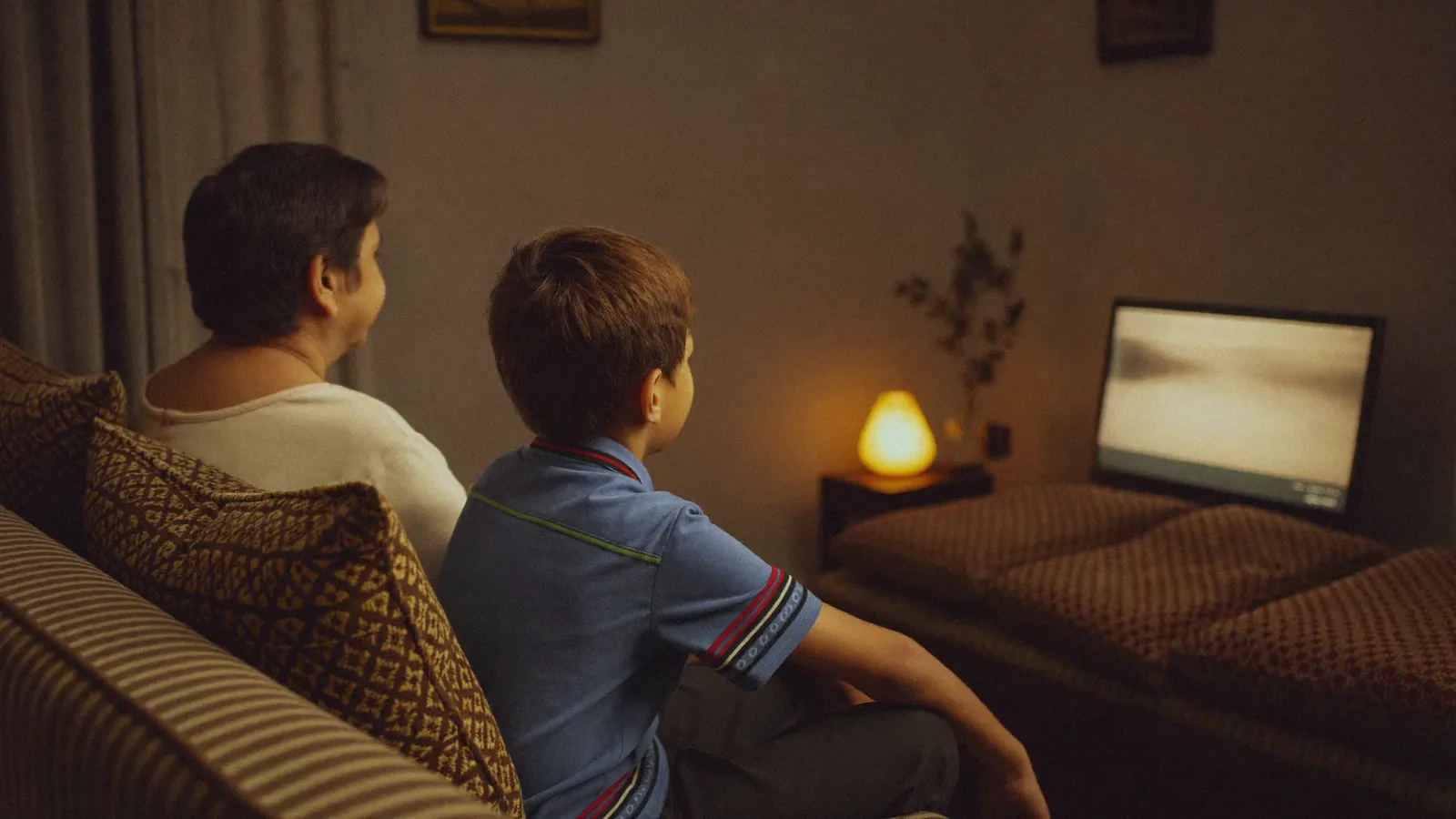
After dinner the lights go off and the family settles in for a drama or a match. It is a familiar scene in many homes. But a bright screen in a dark room, sitting too close and watching for hours on end can together lead to burning eyes, a heavy head and poor sleep. The good news is that a few small habits make a big difference.
When we concentrate on a screen we blink less than usual. The surface of the eye dries out and starts to sting or blur. Eye doctors often call this digital eye strain. It does not usually cause lasting damage, but it is uncomfortable, and rest makes it fade.
A simple guide is about 1.5 to 2.5 times the screen diagonal for an HD TV, and about 1 to 1.5 times for a 4K TV. Comfort matters more than the number: if you can see the whole picture without turning your head and read on-screen text without squinting, the distance is right. Placing the centre of the screen at eye level or slightly below also eases strain on the neck.
Every 20 minutes, look at something about 20 feet (6 metres) away for at least 20 seconds. It matters most when working on a phone or laptop. With TV, let the ad breaks be your rest: get up, drink some water, look out of the window.
Young children often sit right in front of the screen. That is not always a sign of a vision problem, but if it is constant, or if they struggle to read things at a distance, arrange an eye test. Age-appropriate screen limits, switching screens off an hour before bed and plenty of outdoor play are good for both eyes and sleep.
If your eyes stay red after rest, hurt, suddenly blur, or you get frequent headaches or trouble seeing far away, see an eye specialist without delay. If you need glasses, wear the right prescription when watching TV.
Editor's note: This article is general information, not medical advice. For any eye problem, consult a specialist. Last reviewed 13 November 2026.

Plenty of people start the day with headphones in, listening to their favourite FM station on the bus or in a rickshaw. Then the data pack runs out before the month does, and the question co
3 min read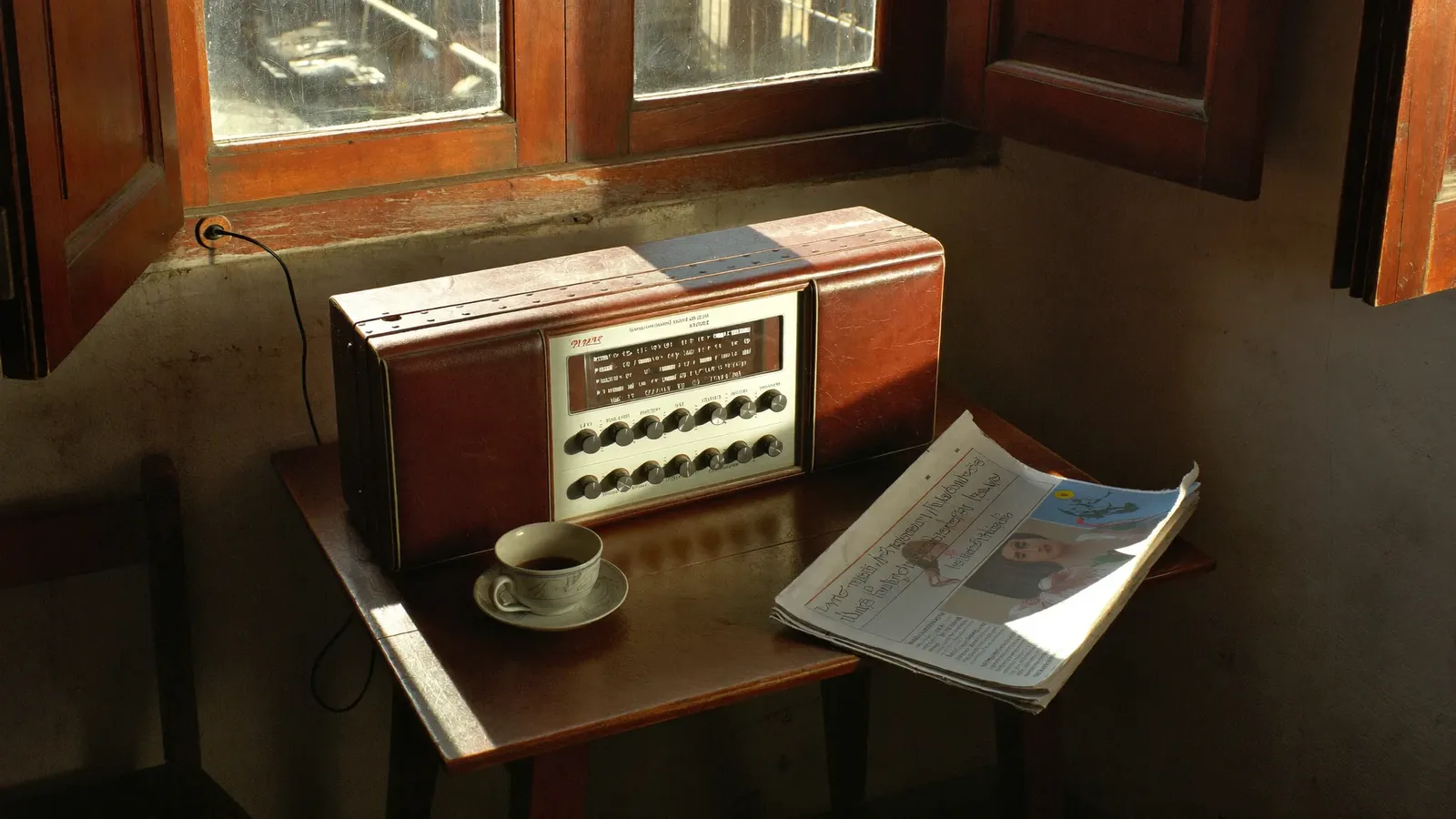
There was a time when people crowded around a single radio at the village tea stall to hear the evening news. Today the same stations play through a phone app, a car dashboard or a smart spe
3 min read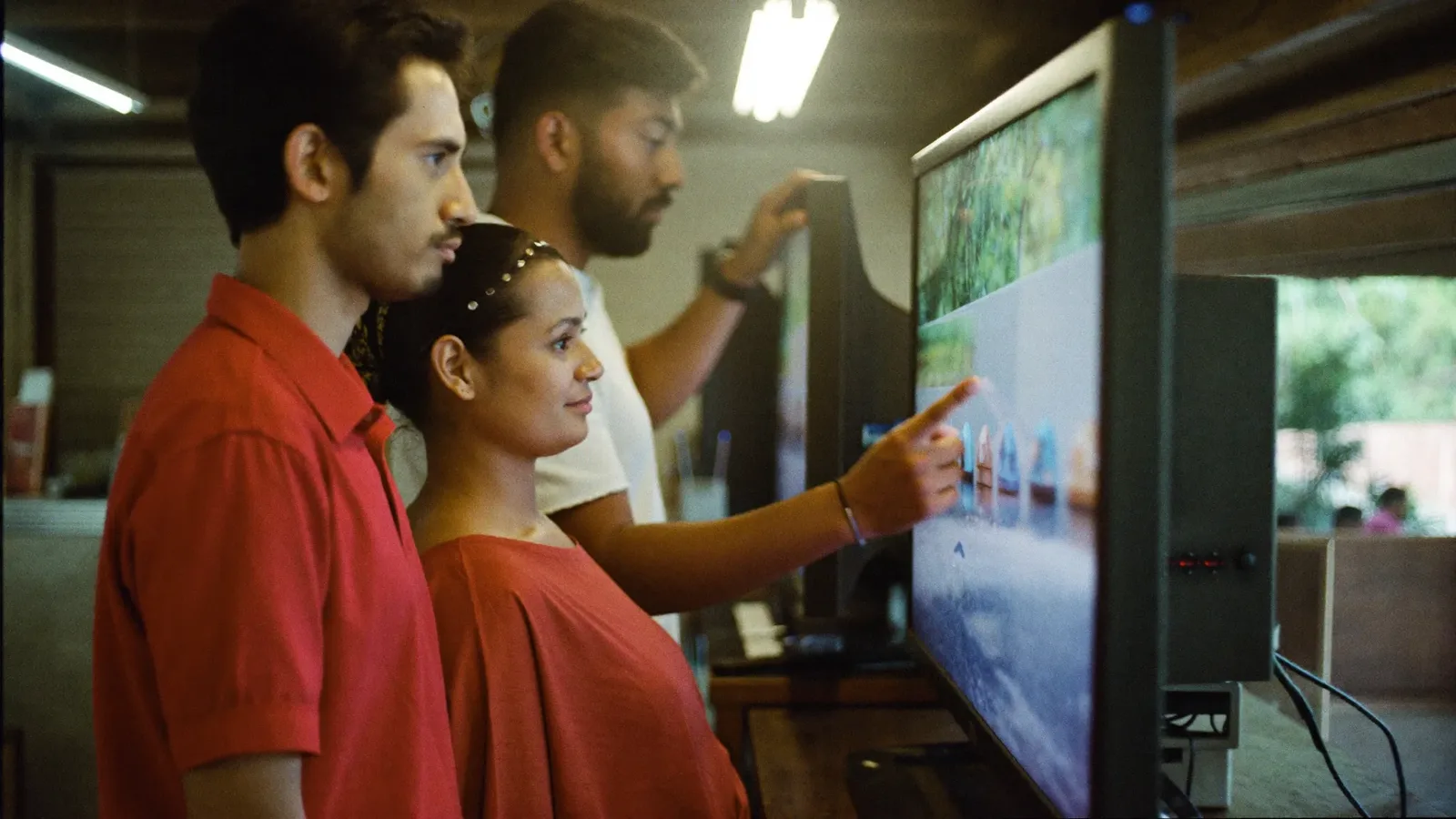
Walk into any electronics shop and you are met by a wall of glowing screens, each with a sticker promising "4K", "HDR" or "AI Picture". Under showroom lights they all look wonderful. Then th
4 min read