Guide
The 1939 Dhaka station, Swadhin Bangla Betar Kendra in 1971, private FM, community radio and online streaming — how radio has shaped listening in Bangladesh.

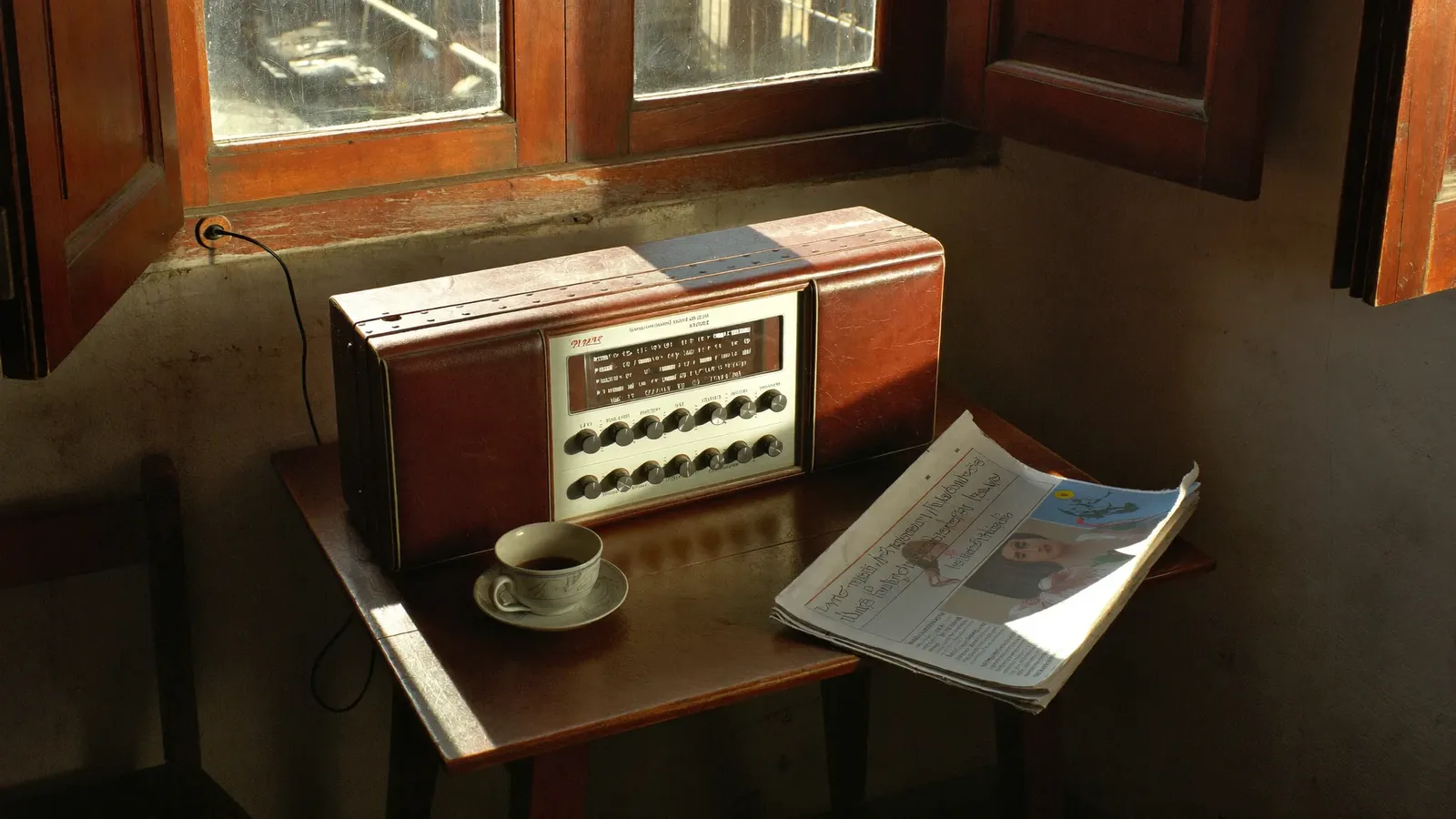
There was a time when people crowded around a single radio at the village tea stall to hear the evening news. Today the same stations play through a phone app, a car dashboard or a smart speaker. The device has changed, but the habit of listening for news and entertainment has lasted in Bangladesh for almost nine decades.
On 16 December 1939 a station of what was then All India Radio began broadcasting from Dhaka. Programmes were short and listeners few, yet this was where broadcasting in the region began. After Partition the station became part of Radio Pakistan, and Bengali language and culture gradually became central to its identity.
During the Liberation War of 1971, Swadhin Bangla Betar Kendra became one of the movement's most powerful voices. News, announcements, patriotic songs and programmes of encouragement carried courage and information to people living under occupation. In many families the memory of listening to it in secret is still told as a story.
After independence, Bangladesh Betar built regional stations across the country as the national broadcaster. Programmes on farming, health, education and weather — above all cyclone warnings — reached remote areas mainly by radio. Even without electricity or television, a small battery set kept a whole family informed.
When private FM stations began broadcasting in the mid-2000s, both the language and the style of radio changed. Young presenters, listener phone-ins, traffic updates and new music brought urban youth back to radio, and FM became a daily companion in traffic jams.
After the community radio policy of 2008, local organisations opened small stations in coastal areas, river islands and remote districts. Farming advice in local dialects, fishing safety warnings, health information and village news found a place that national media rarely provides.
Most stations now stream online, so Bangladeshis abroad can listen to their home city's FM. Radio's strengths remain the same: it leaves your eyes free, it uses far less data than video, and in a disaster an ordinary FM set is often the most reliable source of news.
However much technology changes, radio survives because it is simple, cheap and as close as a human voice. Keeping a battery radio at home is still wise; during a cyclone or a long power cut it may be your only source of news.
Editor's note: Dates and facts were checked against published sources; if you spot an error, please tell us through the Contact page. Last reviewed 13 November 2026.

Plenty of people start the day with headphones in, listening to their favourite FM station on the bus or in a rickshaw. Then the data pack runs out before the month does, and the question co
3 min read
After dinner the lights go off and the family settles in for a drama or a match. It is a familiar scene in many homes. But a bright screen in a dark room, sitting too close and watching for
3 min read
Walk into any electronics shop and you are met by a wall of glowing screens, each with a sticker promising "4K", "HDR" or "AI Picture". Under showroom lights they all look wonderful. Then th
4 min read