Guide
ATN Bangla, Ekushey Television and the growth of private television in Bangladesh: how many channels are licensed and on air, how a new channel gets approved, and how to check reliable numbers.

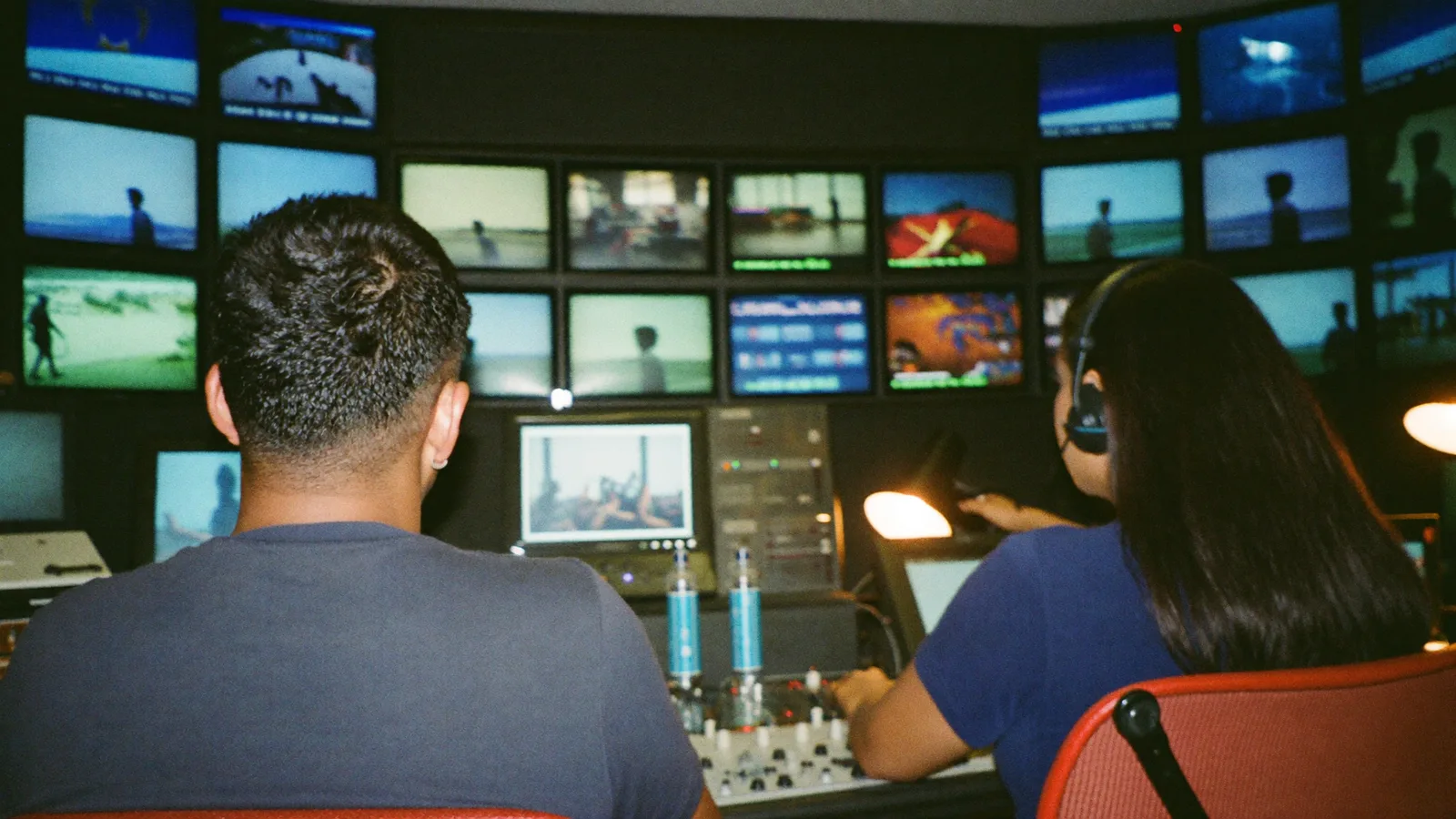
For most of Bangladesh's history, "television" meant one channel: Bangladesh Television (BTV), the state broadcaster that began in Dhaka in 1964. That changed in the late 1990s, when private companies started to broadcast. Today viewers can choose from dozens of Bangladeshi channels, from 24-hour news to music and children's programming. This guide answers the questions people search for most often.
ATN Bangla is generally recognised as the country's first privately owned television channel. It began satellite broadcasts on 15 July 1997, using a Thaicom satellite, under the slogan "Obiram Banglar Mukh". Because it reached viewers through satellite and cable rather than an over-the-air transmitter, it opened the path that almost every later private channel followed.
Ekushey Television (ETV) holds a different first: it launched on 14 April 2000 as the first private terrestrial channel, meaning it could be received with an ordinary rooftop antenna, and it was the first private channel to run full news and current affairs. Its terrestrial licence was cancelled in 2002 after a court ruling, and the channel later returned on satellite in 2007.
The number changes as licences are issued and new channels go on air, so treat any figure as a snapshot. According to a Prothom Alo report of 7 October 2025, 50 private television channels had been approved, of which 36 were broadcasting and 14 were still waiting to start transmission. The same report said 15 IPTV licences had also been approved. Some later compilations give higher totals, but we could not confirm them against an official source.
"Approved" and "on air" are not the same. A company can hold a licence for years without starting broadcasts, because it still needs studios, staff, satellite capacity, a frequency clearance and, above all, funding.
In 2025 the government approved two new satellite channels, reported as Next TV and Live TV, with their owners saying broadcasts would start later. When a channel is approved it often appears in "new channel" lists long before viewers can actually watch it, so check the channel's own announcement or your cable/DTH operator's line-up before assuming it is live.
Bangladesh does not have a separate law that governs private TV licensing. A broadcasting policy adopted in 2014 proposed an independent broadcasting commission, and a media reform commission has since recommended one, but it had not been set up at the time of the report above.
For the most reliable current figure, look for the Ministry of Information's own list or a recent report from a national newspaper that names its source.
Most channels are carried by cable operators, DTH services and licensed IPTV providers, and many stream their news programmes on their own websites or official YouTube channels. Our guide to watching Bangladeshi TV legally and safely online explains how to tell an official stream from an unauthorised one.
Editor's note: Channel counts change often. Figures in this guide are dated and sourced; last reviewed on 15 November 2026.
Nearly every TV in the shop now carries an "HDR" sticker, and many viewers search for what it means after the TV is already home. HDR can make a real difference to the picture, but only when
5 min read
The picture is perfect, the news ticker is moving, but the room is silent. Sudden loss of sound is one of the most common TV complaints, and it is rarely a broken speaker. In most homes the
5 min read
Plenty of people start the day with headphones in, listening to their favourite FM station on the bus or in a rickshaw. Then the data pack runs out before the month does, and the question co
3 min read