Guide
From 1956's 'Mukh O Mukhosh' and the founding of the FDC to the golden age of cinema halls and today's OTT platforms — a short history of film in Bangladesh.

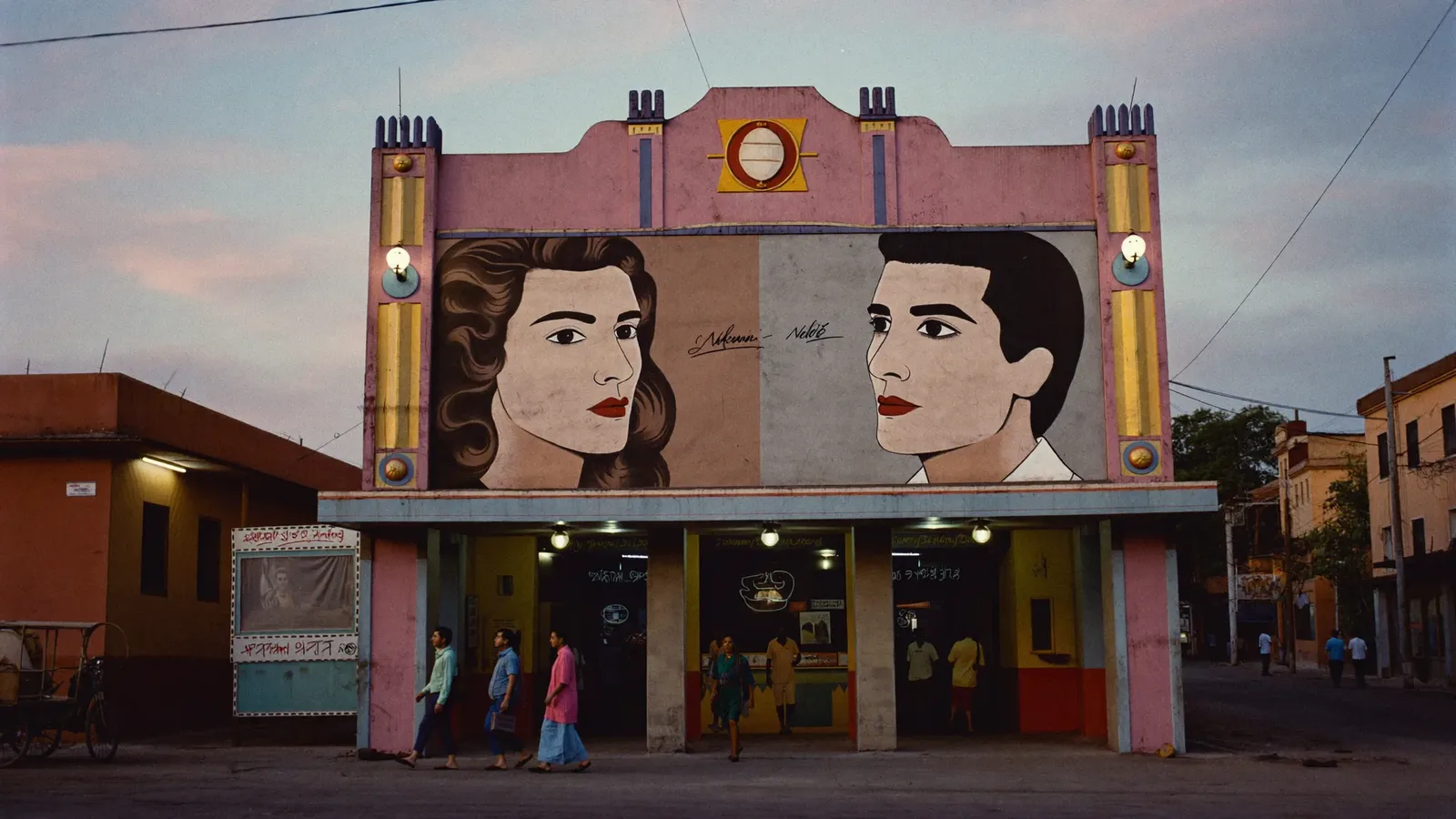
A Friday afternoon at the cinema with the whole family was once almost a festival in many towns: the ticket queue, huge hand-painted posters outside the hall, snacks at the interval. Much of that is now a memory. But Bangladeshi cinema has not stopped; audiences have simply changed screens.
In 1956 'Mukh O Mukhosh', directed by Abdul Jabbar Khan, was released. It is regarded as the first full-length Bengali sound film made in this land. Made with limited equipment and experience, it proved that films could be made in Dhaka too.
In 1957 the film development corporation that is today the Bangladesh Film Development Corporation (FDC) was established. With studios, cameras and laboratories in one place, regular production became possible. In the 1960s social dramas, folk tales and music-led films grew popular.
Zahir Raihan's 'Jibon Theke Neya' (1970) used allegory to portray the political reality of its time. After independence, alongside films about the Liberation War, literary adaptations and family stories, a long and popular commercial tradition took shape. In the 1970s and 1980s the country had far more cinema halls, and the names of popular stars were on everyone's lips.
In the 1980s and 1990s television dramas, the VCR and later satellite channels began to compete for audiences' leisure time. Many cinema halls gradually closed, and debates about quality grew. At the same time independent filmmakers kept telling different kinds of stories on small budgets.
Digital cameras and editing have lowered production costs, and OTT platforms let new filmmakers reach audiences directly. A new generation of actors and directors is emerging through web series and short films, while modern multiplexes are again drawing crowds for Eid releases.
Many old celluloid films are being lost to humidity and neglect. The Bangladesh Film Archive works to preserve and digitise them. Watching old films legitimately, in restored copies, helps that work continue.
Editor's note: This is a short introduction; we plan separate, detailed pieces on each era. If you spot an error, please tell us through the Contact page. Last reviewed 13 November 2026.
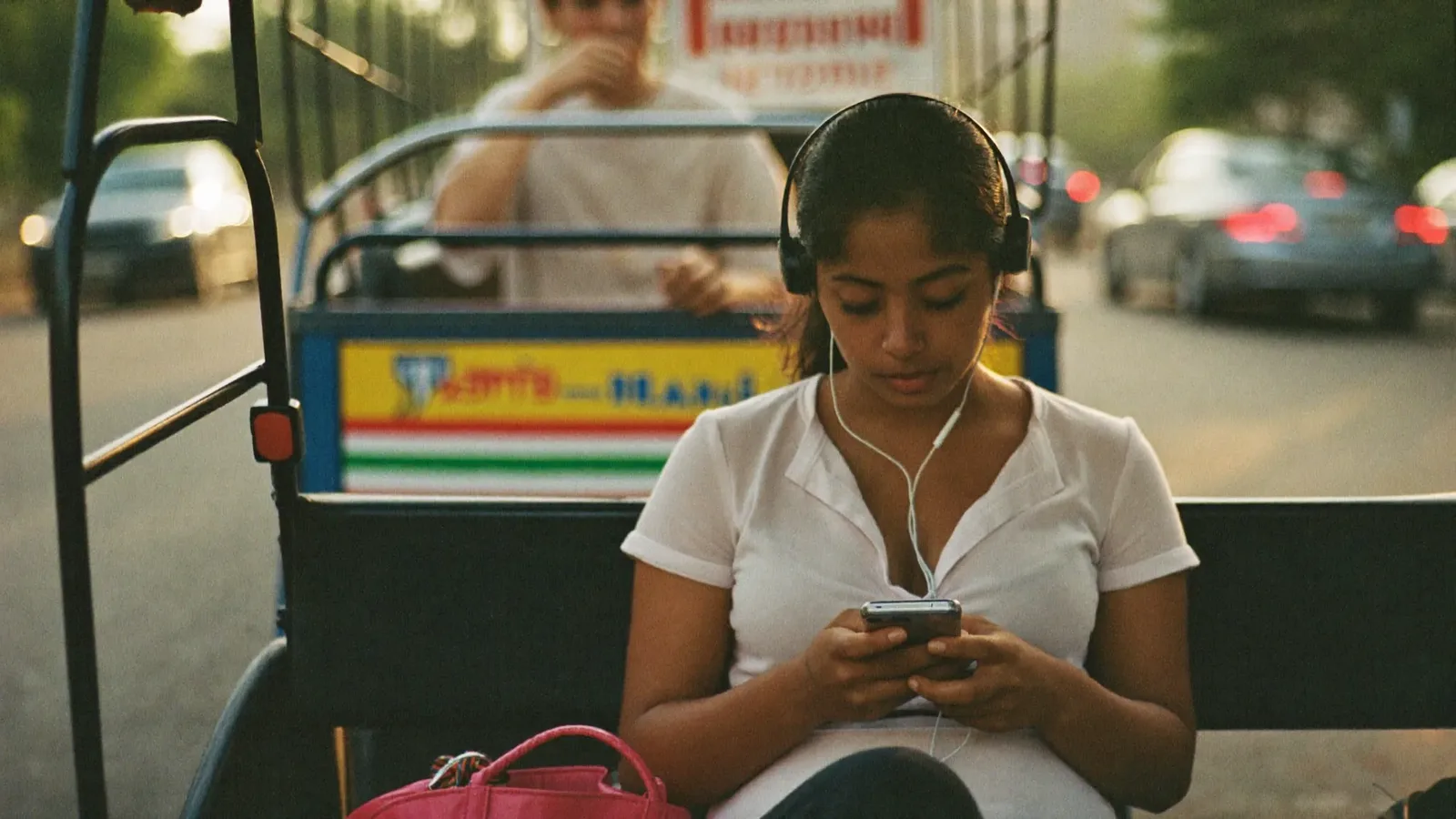
Plenty of people start the day with headphones in, listening to their favourite FM station on the bus or in a rickshaw. Then the data pack runs out before the month does, and the question co
3 min read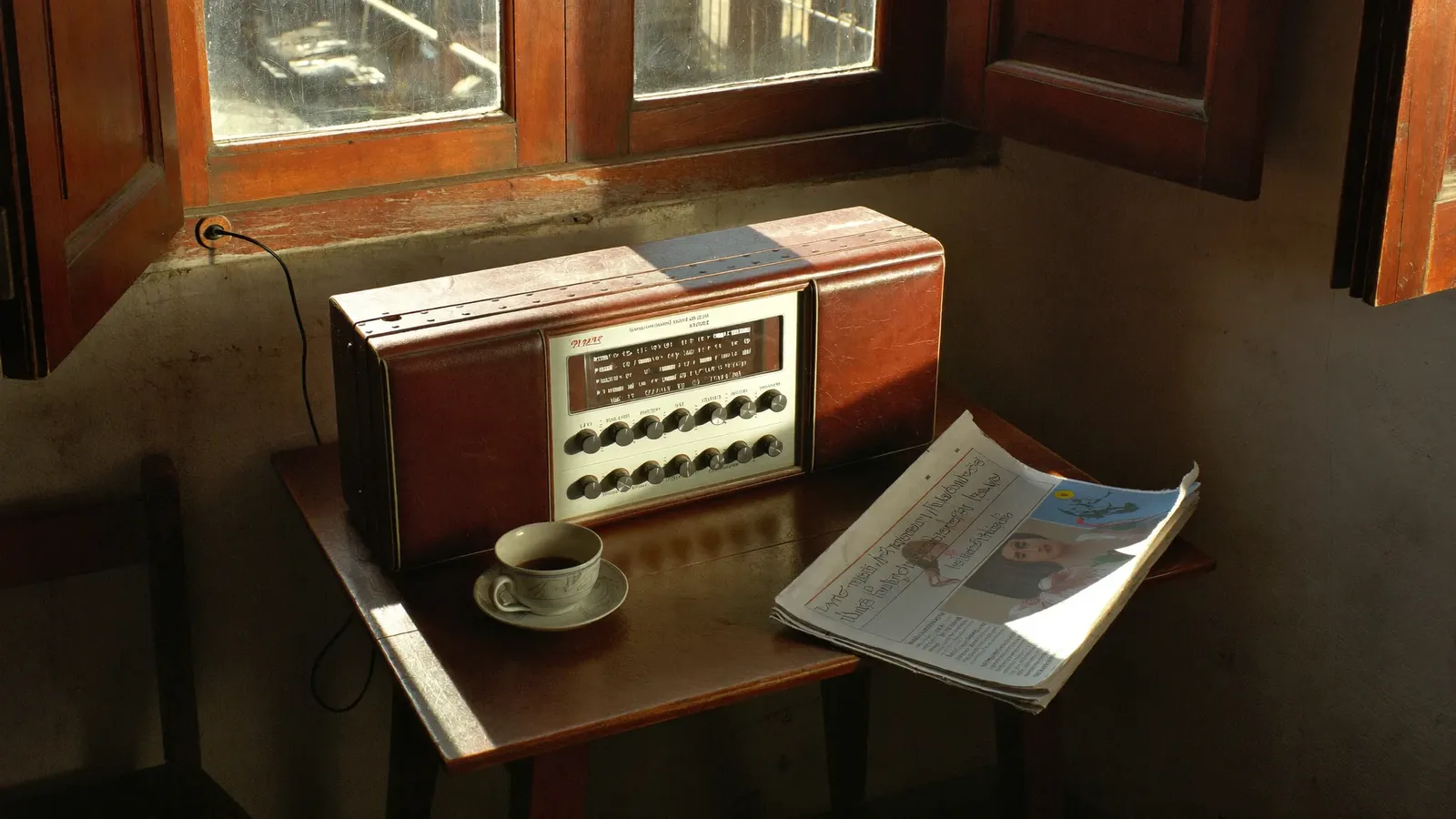
There was a time when people crowded around a single radio at the village tea stall to hear the evening news. Today the same stations play through a phone app, a car dashboard or a smart spe
3 min read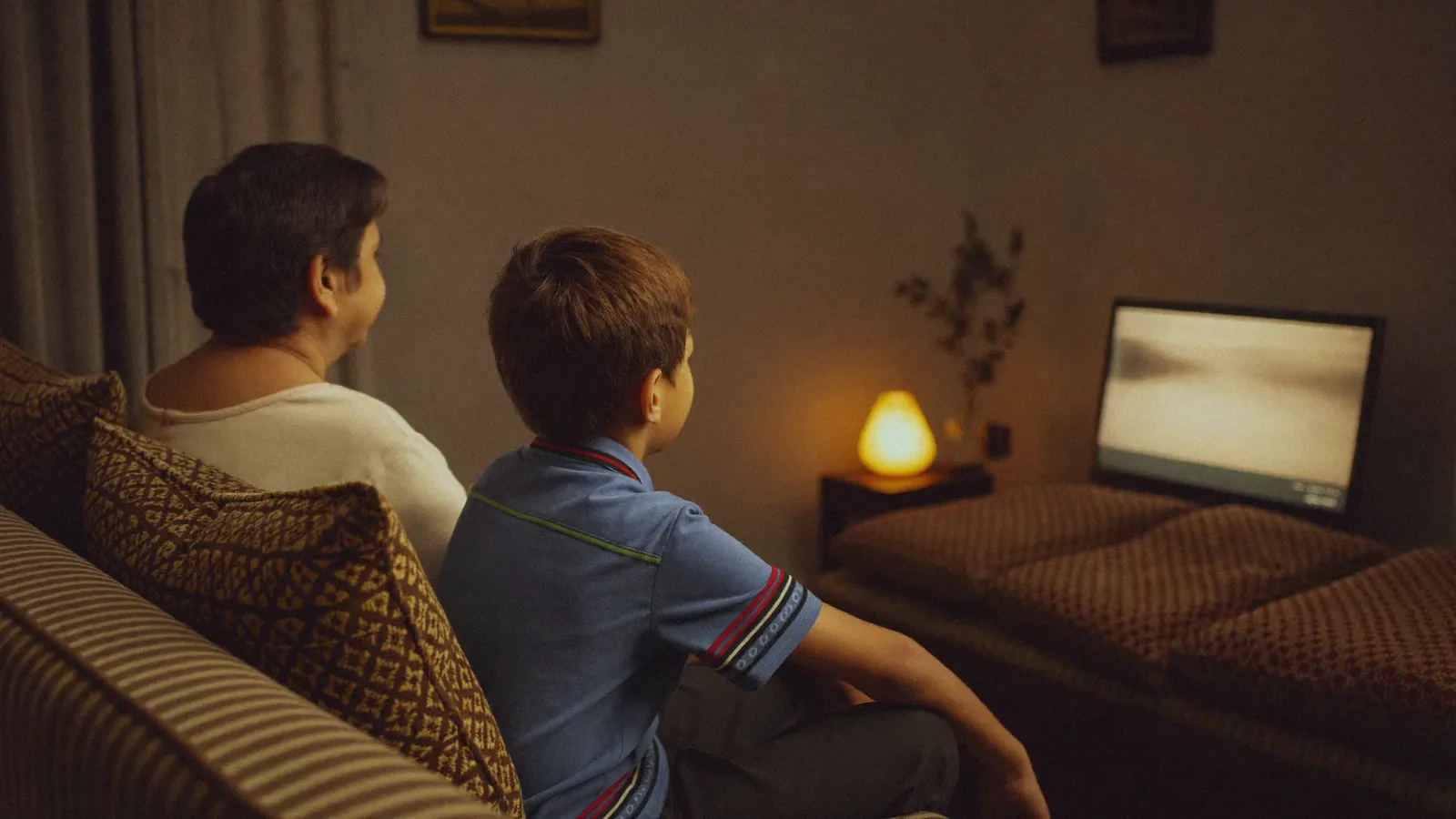
After dinner the lights go off and the family settles in for a drama or a match. It is a familiar scene in many homes. But a bright screen in a dark room, sitting too close and watching for
3 min read