Guide
Mini UPS units for routers, home IPS systems, surge protectors and voltage stabilisers — what each is for, how long it lasts and how to use it safely.

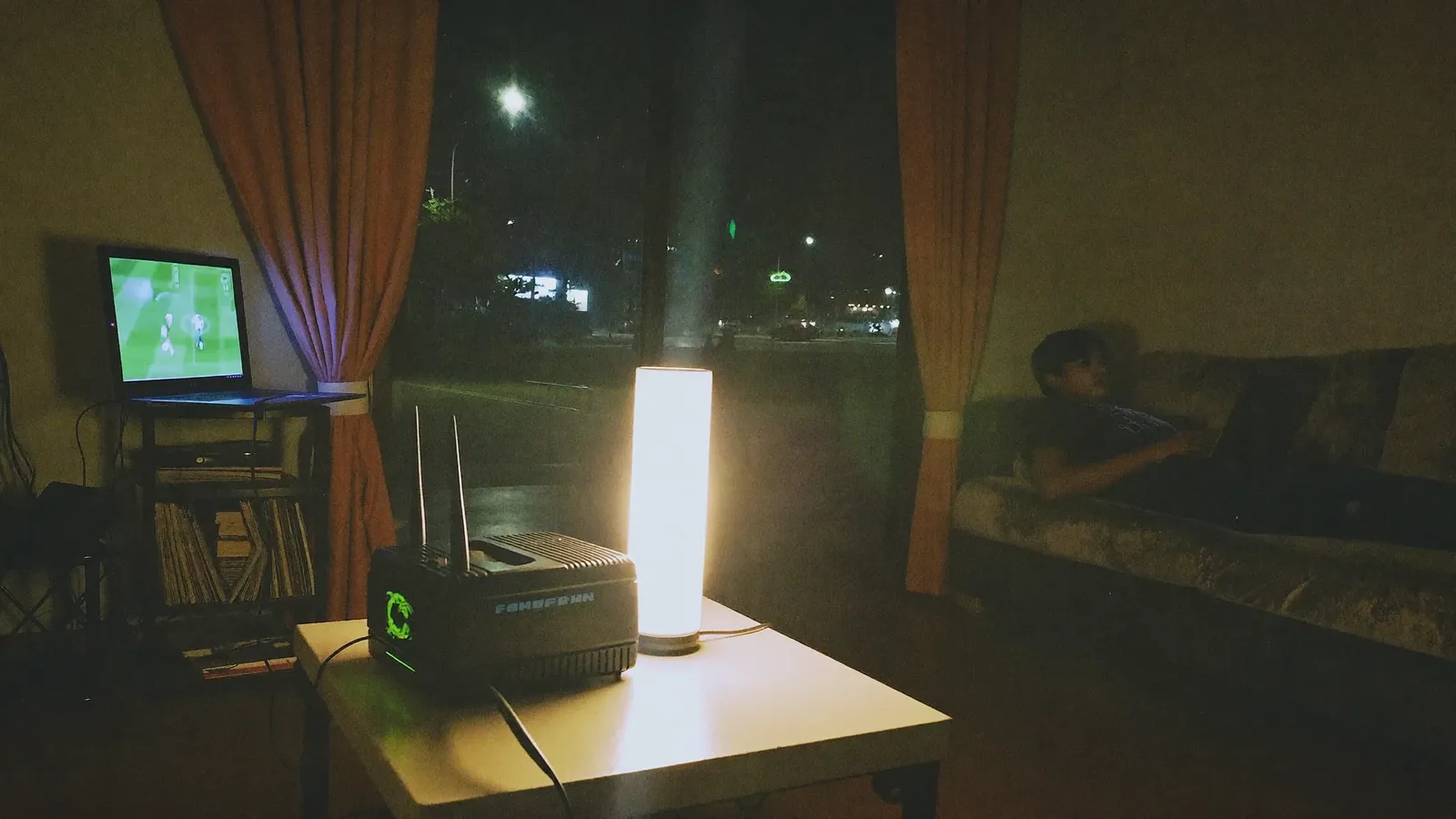
The last over of the match, and the power goes. The IPS keeps the lights and fans running, but the TV says "No Internet". The cause is usually simple: the router or the ONU (the fibre box) is not on the backup. And when power returns, a sudden voltage spike can take out the power board of an expensive TV. A little planning avoids both.
Most routers and ONUs run on 9 or 12 volts DC and use very little power — usually 6 to 15 watts. A small DC mini UPS can keep them running for hours. When buying one, check:
Remember that if your internet provider's own equipment in the area loses power, your internet can drop even with a backup at home.
A home IPS is designed to run loads such as lights and fans for long periods. It may take a moment to switch over when the power fails. A computer UPS switches over almost instantly but usually runs for a short time. If your TV is on the IPS line, check that the IPS output (pure sine wave is better) and capacity are suitable.
Lightning, or the moment power returns, can cause a sudden voltage spike (surge) that damages electronics. An ordinary multi-plug is not a surge protector: check the joule rating and protection indicator on the pack. Connect the TV, set-top box and router through it. Where the voltage swings widely, consider a good-quality voltage stabiliser too.
Keep any battery backup in a dry, ventilated place, never under curtains or cloth. If a battery swells, gets unusually hot or smells of burning, disconnect it at once and stop using it. For IPS batteries, follow the manufacturer's instructions on checking water levels and connections.
Editor's note: Always have electrical connections and IPS installation done by a qualified electrician. Last reviewed 13 November 2026.

Plenty of people start the day with headphones in, listening to their favourite FM station on the bus or in a rickshaw. Then the data pack runs out before the month does, and the question co
3 min read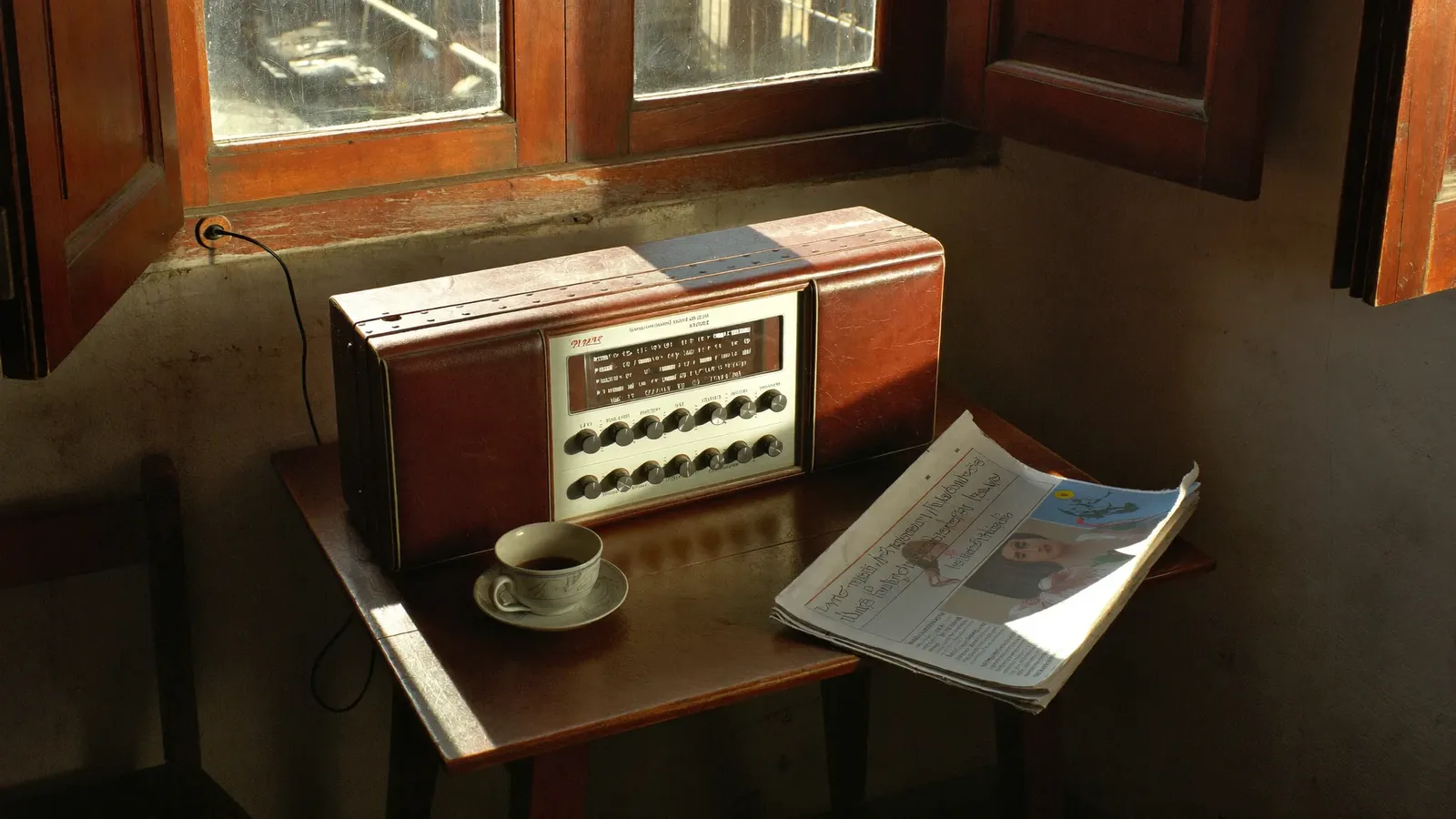
There was a time when people crowded around a single radio at the village tea stall to hear the evening news. Today the same stations play through a phone app, a car dashboard or a smart spe
3 min read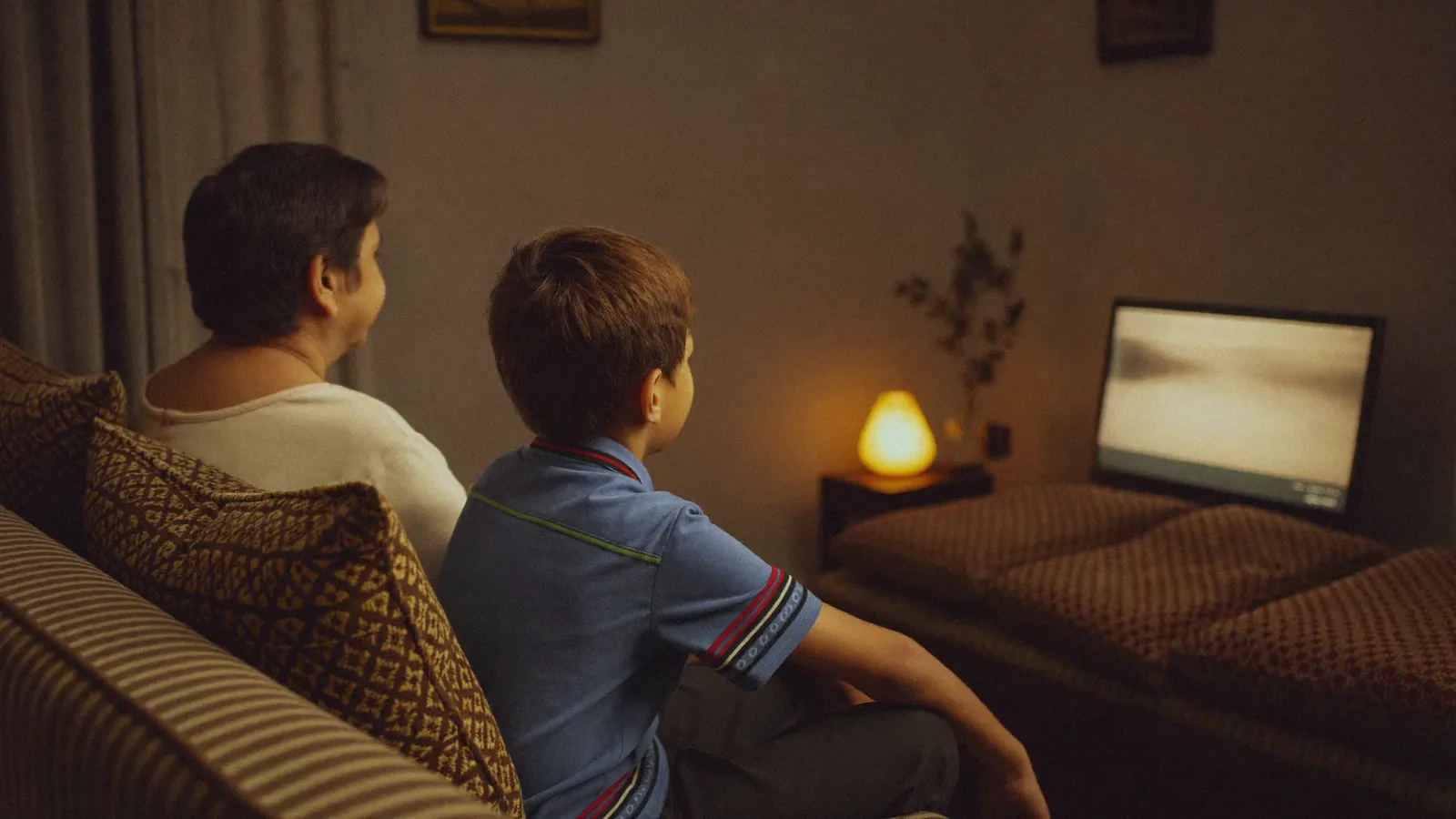
After dinner the lights go off and the family settles in for a drama or a match. It is a familiar scene in many homes. But a bright screen in a dark room, sitting too close and watching for
3 min read